There are often two areas being discussed by many e-commerce operators, the homepage and bounce rate on the PDP (PDP = Product Detail Page, simply the product page where one of your products is shown, and bounce rate is the number of people who land on the PDP directly from, say, Google and then leave without doing anything at all, bouncing on to, say, a competitor).
The discussion around the homepage might go something like this: we need a good homepage that quickly gives the user a feel for our brand identity, communicates campaigns, and makes it easy for the customer to pick a category or find the menu. And search! What about customer service info? And do not forget inspiration and personalised offers. Did someone say pushing the newsletter?!
When people discuss bounce rate, the conversation is often about how well the PDP converts. Is it optimally designed to allow a quick purchase decision, does the visitor understand what page they have landed on, are we bringing in the right traffic, does the page load fast enough or has the visitor grown tired from long load times, and so on.
Often it is the marketing department wrestling with how the homepage should be designed (bring in the banners and splashes!), while the head of e-commerce works on the PDP (and of course also on the homepage).
However, the majority of traffic actually lands on the PDP for most companies. I think the organisation should shift focus from the homepage to the PDP as much as possible, put the effort into building a PDP that is both a homepage and a product page. Think about optimising the page based on where the visitor comes from: if the click comes from Google Shopping you should think about conversion optimisation, but if it is pure organic traffic you can let the page take up a bit more space and try to bring the homepage thinking into the PDP. That is, bring in inspiration, campaign info and so on.
Dare to let the PDP spread out a bit and worry less about the homepage. Focus the homepage on quickly guiding the customer into the journey they are interested in (drilling down into categories or campaigns, being inspired, finding order info and so on), but do not over-think the homepage. Over-think the new homepage instead: the PDP. So the next time the DACH sales manager starts pushing for a customised homepage, ask them to think about how you could make the PDP better for them instead.
If you want more tips or a review of how we think your UX is converting, feel free to contact us at Commerce Mind.
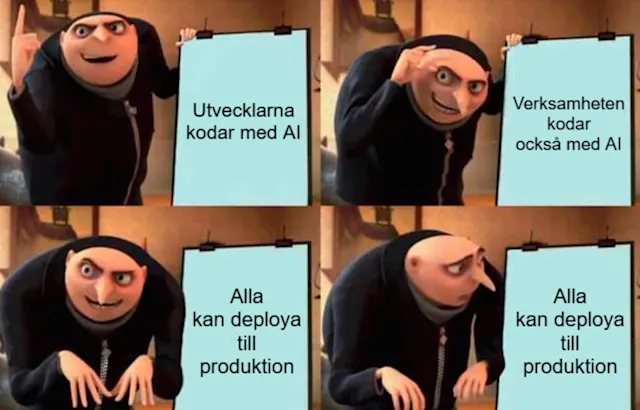
AI does not only make development faster, it moves the capability out into the whole organisation. Suddenly anyone can build and change things in the systems. It is enormously powerful, but combined with old ways of working it leads to either chaos or no effect at all. Here is how you lead the shift from tree-tender to forest ranger before entropy runs away from you.
Technical debt is more than a technical concept, it is a business-critical reality that affects everything from time-to-market to customer experience. In e-commerce, where every millisecond and every click counts, the choices you make in your technical platform can have far-reaching consequences. When quick fixes are prioritised over long-term durability, an invisible but growing debt is built up. It affects not only development speed and stability, but at worst can slow the company's ability to innovate and compete. To face the future the right way, technical debt has to be understood, quantified and managed as the strategic investment it actually is.
For Swedish retailers there are plenty of ways to meet this threat by building on what the Chinese giants cannot offer: strong local brand stories, product safety and sustainability as competitive advantages, and a presence that ties digital and physical commerce together. Temu has no stores. Yet.