Many factors move customers further down the funnel and, hopefully, all the way to the transaction. The customer journey you mapped out in PowerPoint at that workshop a few years ago was logical and sound, but it has very little to do with your customers' reality today. Your customers now have a wealth of information at their fingertips thanks to an abundance of digital devices and information and transaction channels. Today's customer journey is largely omnichannel and involves plenty of activity that has nothing to do with you as a company. So how do you drive your e-commerce conversions and optimise your buyer's journey?
There are many factors that move customers further down the funnel and hopefully into the desired transaction phase. The customer journey you mapped out in PowerPoint at that workshop a few years ago was logical and sound, but has very little to do with your customers' reality today. Your customers now have a wealth of information at their disposal thanks to an abundance of digital devices and information and transaction channels. Today's customer journey is largely omnichannel and involves lots of activities that do not involve you as a company. So how do you drive your
1. Is content still king?
The website's content should be at the core of your strategy for consumer behaviour online. If the information is not relevant, potential consumers will quickly leave your page. Your metrics in Google Analytics are a good indication to help you understand what your customers think of your e-commerce. It will indicate whether they find your content relevant or not.
2. Email marketing: is email dead?
With email marketing automation you can send emails automatically based on consumer behaviour or interest online. So the more emails you have for different scenarios, the better you will be able to nurture depending on your customers' attitudes.
3. Hands up everyone who does research before buying
Reviews, references and recommendations
4.Social media: winning path or necessary evil?Social media marketing and generations
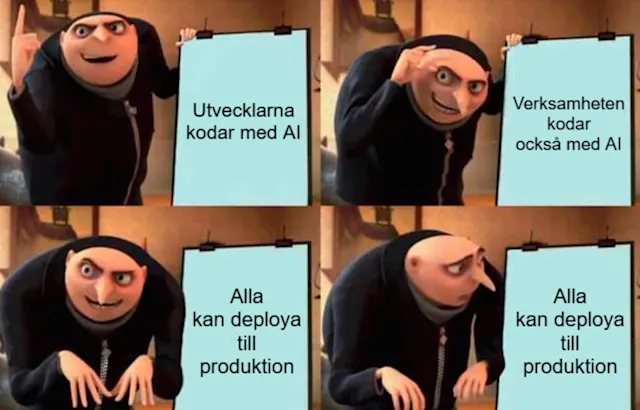
AI does not only make development faster, it moves the capability out into the whole organisation. Suddenly anyone can build and change things in the systems. It is enormously powerful, but combined with old ways of working it leads to either chaos or no effect at all. Here is how you lead the shift from tree-tender to forest ranger before entropy runs away from you.
Technical debt is more than a technical concept, it is a business-critical reality that affects everything from time-to-market to customer experience. In e-commerce, where every millisecond and every click counts, the choices you make in your technical platform can have far-reaching consequences. When quick fixes are prioritised over long-term durability, an invisible but growing debt is built up. It affects not only development speed and stability, but at worst can slow the company's ability to innovate and compete. To face the future the right way, technical debt has to be understood, quantified and managed as the strategic investment it actually is.
For Swedish retailers there are plenty of ways to meet this threat by building on what the Chinese giants cannot offer: strong local brand stories, product safety and sustainability as competitive advantages, and a presence that ties digital and physical commerce together. Temu has no stores. Yet.